01/04/2026

When to Use Lubricating Eye Drops: Symptoms, Types, and Essential Care
Lubricating eye drops are among the most commonly used eye products — and also among the most misused. Many people reach for eye drops at the first sign of discomfort, without knowing when they are truly the best choice, which type to use, and when continued use no longer makes sense.
• when lubricating eye drops are truly indicated
• which symptoms usually improve with them
• the main types of lubricating eye drops
• when preservative-free drops are worth it
• what normal use looks like — and what doesn’t
• when to stop and see an eye doctor
📌 Key Takeaways (Quick Summary)
✔ Lubricating eye drops help in many situations
✔ Not all eye discomfort is dry eye
✔ There are important differences between drop types
✔ Frequent use requires extra attention
✔ Persistent symptoms should not be ignored
👁️ When Lubricating Eye Drops Are the Best Choice 
Lubricating eye drops work best for mild to moderate dryness or functional eye discomfort, without signs of active eye disease.
✅ Situations where lubricating eye drops usually help:
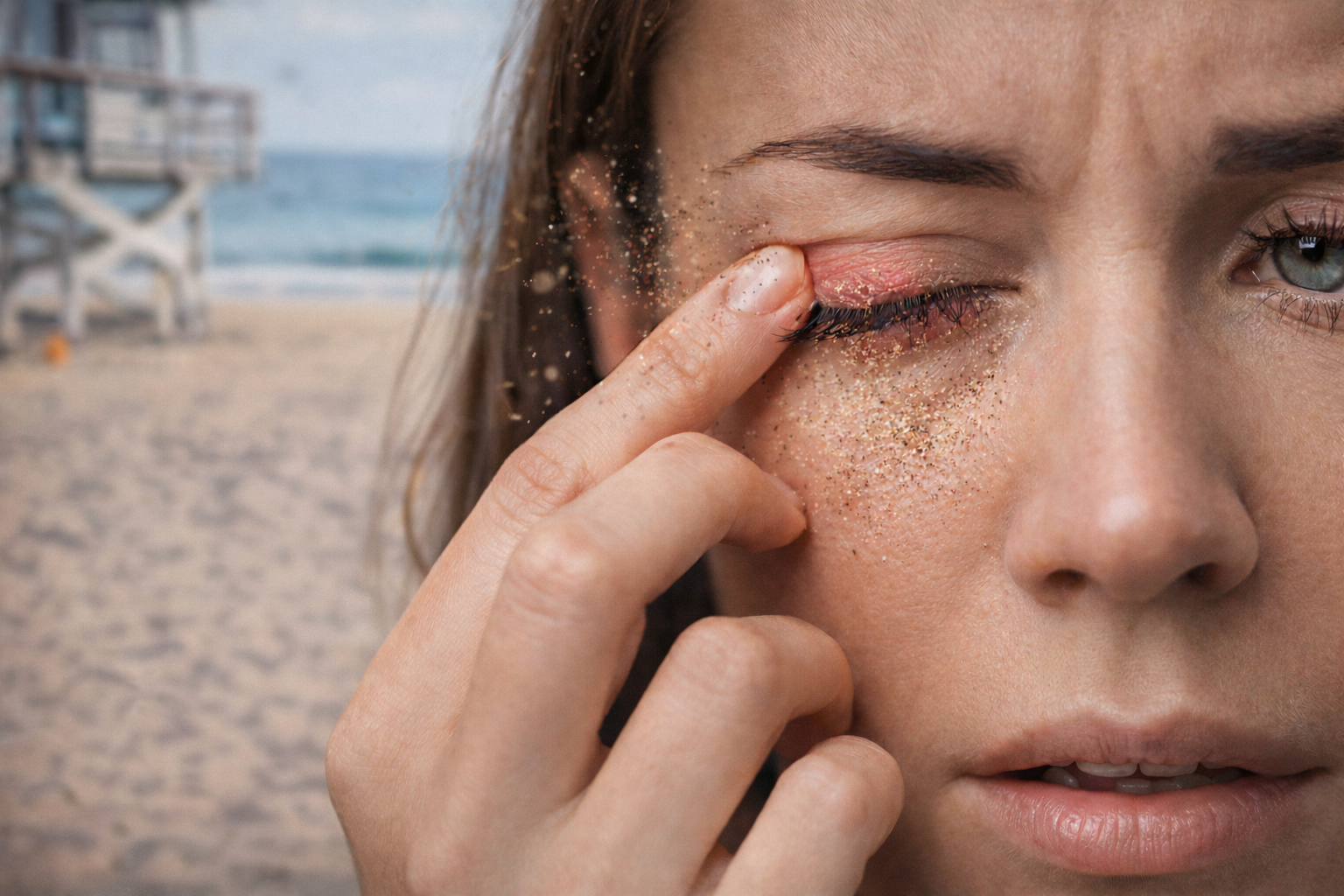
• gritty or foreign-body sensation
• mild burning
• tired or heavy eyes
• vision that improves after blinking
• discomfort after long screen use
• dry or air-conditioned environments
👉 In these cases, drops help restore or stabilize the tear film.
⚠️ When Lubricating Eye Drops Are NOT the Best Solution
Not all eye symptoms should be treated with lubrication alone.
• eye pain
• intense or persistent redness
• discharge
• constantly blurred vision
• significant light sensitivity
👉 These signs suggest other eye conditions and require medical evaluation.
🧬 What Lubricating Eye Drops Do — and What They Do NOT Do 
✔ What they do:
• reduce friction when blinking
• improve surface comfort
• temporarily protect the ocular surface
• treat deep inflammation
• fight infections
• correct vision prescription
• cure eye diseases
Understanding this limit prevents frustration and misuse.
💧 Types of Lubricating Eye Drops (And When to Use Each) 
Not all lubricating drops are the same — and the differences matter.
💧 Artificial Tears (Light Formulations)
The lightest option.
• occasional use
• mild symptoms
• intermittent discomfort
👉 A good choice for situational dryness.
🧴 Thicker Drops (Gels or Emulsions)
Remain on the eye longer.
• more frequent symptoms
• moderate dry eye
• nighttime use
⚠ May cause temporary blurred vision.
🧪 Preservative-Free Lubricating Drops
Recommended when:
• drops are used daily or frequently
• eye sensitivity is present
• long-term use is needed
👉 They reduce irritation risk and often justify the higher price.
🔍 Lubricating Drops vs Other Eye Drops (Common Confusion) 
These drops:
• constrict blood vessels
• do not hydrate the eye
• can cause rebound redness with repeated use
👉 Not recommended for regular use or dry eye treatment.
❌ Common Mistakes When Using Lubricating Eye Drops
• using drops many times a day without guidance
• switching products every few days
• using expired drops
• touching the bottle tip to the eye
• sharing eye drops
These mistakes explain why many cases fail to improve.
⏱️ Frequent Use: What’s Normal — and What Isn’t
As a general guideline:
• occasional use (1–3 times/day): usually safe
• daily frequent use: choose preservative-free drops
• constant need (every hour): warning sign
👉 Needing drops constantly is not normal.
🧭 When Lubricating Eye Drops Are Enough
Eye drops are usually sufficient when:
✔ symptoms are mild
✔ relief is consistent
✔ there is no pain or persistent redness
✔ discomfort does not progressively worsen
🚨 When to Stop Relying on Eye Drops and See a Doctor
⚠ symptoms persist
⚠ relief is short-lived
⚠ drops are needed many times a day
⚠ symptoms progressively worsen
⚠ pain or frequent redness develops
At this stage, eye drops are no longer a standalone solution.
🧠 What Can Happen When Eye Drops Are Used Incorrectly
• only temporary relief
• masking of the real problem
• worsening dry eye
• chronic inflammation
• delayed proper treatment
📝 Quick Self-Assessment Checklist
Check what you experience frequently:
☐ mild burning
☐ gritty sensation
☐ tired eyes
☐ discomfort after screen use
☐ relief after using drops
👉 2–3 signs: drops may help
👉 4 or more / no improvement: evaluation recommended
✅ Conclusion 
Lubricating eye drops are valuable allies for relieving eye discomfort — when used at the right time, in the right type, and with proper care.
Used correctly, lubricating eye drops can significantly improve eye comfort. Used incorrectly, they can mask underlying problems, delay proper diagnosis, and even worsen symptoms.
In this complete guide, you’ll learn:
• when lubricating eye drops are truly indicated
• which symptoms usually improve with them
• the main types of lubricating eye drops
• when preservative-free drops are worth it
• what normal use looks like — and what doesn’t
• when to stop and see an eye doctor
📌 Key Takeaways (Quick Summary)
✔ Lubricating eye drops help in many situations
✔ Not all eye discomfort is dry eye
✔ There are important differences between drop types
✔ Frequent use requires extra attention
✔ Persistent symptoms should not be ignored
👁️ When Lubricating Eye Drops Are the Best Choice
✅ Situations where lubricating eye drops usually help:
• gritty or foreign-body sensation
• mild burning
• tired or heavy eyes
• vision that improves after blinking
• discomfort after long screen use
• dry or air-conditioned environments
👉 In these cases, drops help restore or stabilize the tear film.
⚠️ When Lubricating Eye Drops Are NOT the Best Solution
Not all eye symptoms should be treated with lubrication alone.
❌ Lubricating drops are usually insufficient when there is:
• eye pain
• intense or persistent redness
• discharge
• constantly blurred vision
• significant light sensitivity
👉 These signs suggest other eye conditions and require medical evaluation.
🧬 What Lubricating Eye Drops Do — and What They Do NOT Do
• reduce friction when blinking
• improve surface comfort
• temporarily protect the ocular surface
❌ What they do not do:
• treat deep inflammation
• fight infections
• correct vision prescription
• cure eye diseases
Understanding this limit prevents frustration and misuse.
💧 Types of Lubricating Eye Drops (And When to Use Each)
💧 Artificial Tears (Light Formulations)
The lightest option.
Best for:
• occasional use
• mild symptoms
• intermittent discomfort
👉 A good choice for situational dryness.
🧴 Thicker Drops (Gels or Emulsions)
Remain on the eye longer.
Best for:
• more frequent symptoms
• moderate dry eye
• nighttime use
⚠ May cause temporary blurred vision.
🧪 Preservative-Free Lubricating Drops
Recommended when:
• drops are used daily or frequently
• eye sensitivity is present
• long-term use is needed
👉 They reduce irritation risk and often justify the higher price.
🔍 Lubricating Drops vs Other Eye Drops (Common Confusion)
| Eye drop type | Main purpose |
| Lubricating | Relieves dryness |
| Anti-allergy | Treats allergy |
| Antibiotic | Treats infection |
| “Redness relief” | Cosmetic vessel constriction |
👉 Confusing these is a very common mistake.
🚫 Be Careful With “Redness-Relief” Eye Drops
🚫 Be Careful With “Redness-Relief” Eye Drops
These drops:
• constrict blood vessels
• do not hydrate the eye
• can cause rebound redness with repeated use
👉 Not recommended for regular use or dry eye treatment.
❌ Common Mistakes When Using Lubricating Eye Drops
• using drops many times a day without guidance
• switching products every few days
• using expired drops
• touching the bottle tip to the eye
• sharing eye drops
These mistakes explain why many cases fail to improve.
⏱️ Frequent Use: What’s Normal — and What Isn’t
As a general guideline:
• occasional use (1–3 times/day): usually safe
• daily frequent use: choose preservative-free drops
• constant need (every hour): warning sign
👉 Needing drops constantly is not normal.
🧭 When Lubricating Eye Drops Are Enough
Eye drops are usually sufficient when:
✔ symptoms are mild
✔ relief is consistent
✔ there is no pain or persistent redness
✔ discomfort does not progressively worsen
🚨 When to Stop Relying on Eye Drops and See a Doctor
Seek medical evaluation if:
⚠ symptoms persist
⚠ relief is short-lived
⚠ drops are needed many times a day
⚠ symptoms progressively worsen
⚠ pain or frequent redness develops
At this stage, eye drops are no longer a standalone solution.
🧠 What Can Happen When Eye Drops Are Used Incorrectly
• only temporary relief
• masking of the real problem
• worsening dry eye
• chronic inflammation
• delayed proper treatment
📝 Quick Self-Assessment Checklist
Check what you experience frequently:
☐ mild burning
☐ gritty sensation
☐ tired eyes
☐ discomfort after screen use
☐ relief after using drops
👉 2–3 signs: drops may help
👉 4 or more / no improvement: evaluation recommended
✅ Conclusion
When symptoms persist, eye drops stop being a standalone solution and become just one part of eye care.
Using eye drops with knowledge is the best way to protect your eyes today and in the long term.
📚 Scientific References
📚 Scientific References